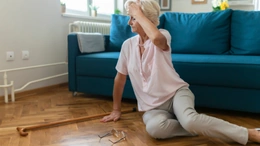
How to Get Up from a Fall and Prevent Future Falls at Home
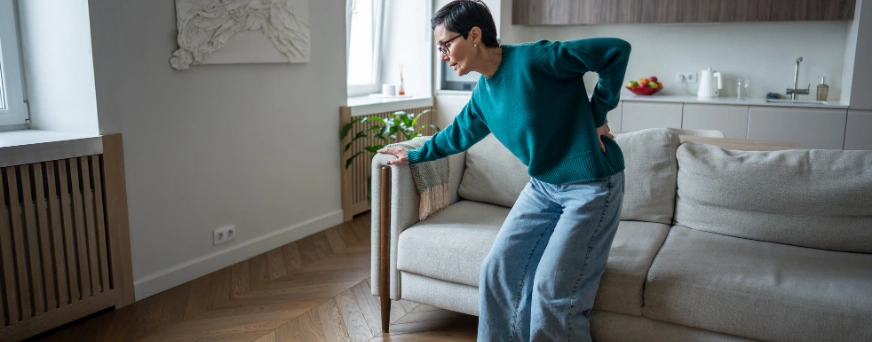
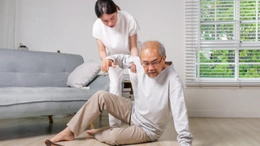
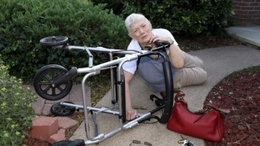
A fall can shake your body and your calm in seconds. Knowing how to rise safely keeps bruises from turning into bigger harm. You roll to your side, rest, then crawl to a sturdy chair. You plant your hands, bring one knee up, and push slowly.
After you stand, take a breath and call 911 if pain lingers. Next, clear loose rugs, cords, and clutter from busy walkways. Add bright night-lights, grab bars, and non-slip mats in bathrooms.
In the U.S., simple checks lower fall risk at home. With small home fixes and steady habits, you stay safer every day.
How to Get Up After a Fall?
A fall can feel loud, even in a quiet house. Getting up the right way matters, also. The following is a guide on how to get up from a fall:
Pause and Breathe
Stay still for a moment, even if pride says, “get up now.” Take two slow breaths and let the rush settle down. Look around and notice what caused the fall. A throw rug corner, a slick sock, a pet toy. That clue helps you avoid it again.
If you feel dizzy, don’t force anything. Dizziness can mean low blood sugar, dehydration, or meds acting up. And yeah, it happens. If a phone is within reach, grab it early. If you wear a medical alert button, press it now.
Check for Injury
Do a quick body check before you move much. Wiggle fingers, then toes, then bend each knee slowly. Roll your shoulders a little and notice sharp pain. If your hip hurts bad, don’t try to stand. If your head hit the floor, treat it seriously.
Confusion, nausea, or a new headache are big warning signs. Bleeding that won’t stop is another. If something feels “wrong wrong,” call 911. Also, don’t worry about being embarrassed. Paramedics in the U.S. see this every day. A safe choice beats a tough choice.
Roll to Your Side
If you can move, roll onto your side like a log. Keep your neck in line with your back, no twisting. Use your arms to guide the roll, not your spine. Bend your top knee so you feel stable. Pause again and breathe, because this part can tire you out.
If the floor is cold, that chill can make muscles stiff. Move a little blanket nearby, if you can reach one. You’re not being dramatic. Staying warm helps you move better, like warming up before a walk.
Crawl to a Sturdy Chair
From your side, push up onto your hands and knees. Take your time, because rushing is how falls repeat. Look for a heavy chair that will not slide. A couch can work too, if it doesn’t roll away. Avoid using a light dining chair, those can tip.
Crawl slowly, one hand then one knee, like a baby crawl. If crawling hurts, stop and rest. Keep your head up enough to see the path. Watch for cords, table legs, and loose rugs waiting to snag you.
Rise Slowly and Sit
Place both hands on the chair seat, steady and wide. Bring one foot forward and plant it flat under you. Use your arms and that front leg to push up. Stand halfway first, then pause. If you feel wobbly, sit back down right away.
Turn slowly and sit on the chair, full weight supported. Stay seated for a minute, maybe two. Sip water if it’s close and safe. Then call a family member, neighbor, or caregiver. Even if you feel okay, tell someone. A fall can show problems later, on the other hand.
Tips to Prevent Falls from Happening in the Future
Preventing falls is mostly small fixes done on purpose. The best plan mixes stronger muscles with a safer home. Also, health checkups matter because bodies change fast with age.
Strength & Balance Training
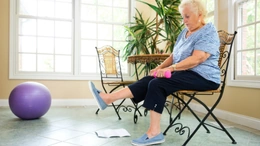
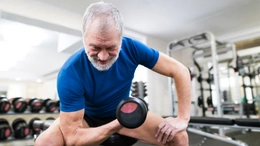
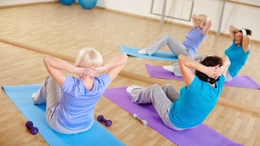
Strong legs help you catch yourself before you drop. Balance work helps your feet know where “center” is. Start with simple moves near a counter or sturdy table. Sit-to-stand practice is gold for seniors. Stand up from a chair, then sit back down, slow.
Heel raises help ankles stay firm on stairs. Side steps build hip strength, which protects balance. A short daily walk counts too, even in a hallway. If you use a cane or walker, get it fitted. Wrong height can throw you off, no kidding.
Home Hazard Fixes
Most home falls start with simple stuff in the way. Clear the path from bed to bathroom first. That nighttime trip is a common danger spot. Add bright night-lights in the hallway and bathroom. Use non-slip mats in the shower and tub, always.
Grab bars near the toilet and inside the shower help a lot. Tape down loose rugs or remove them completely. Keep cords tucked behind furniture, not across walkways. Also, pick up pet bowls and toys after meals. A tiny chew toy can feel like a banana peel, seriously.
Safe Footwear
Socks on smooth floors are sneaky trouble. Choose shoes with a good grip and a firm heel. Slip-on shoes can be easy; however, they must fit snugly. Avoid floppy slippers that bend and slide. If you wear sandals, pick pairs with back straps.
Bare feet can slip, and toes can stub hard. Check shoe soles for wear, like bald spots. Replace them before they get slick. If swelling changes your foot size, measure again. It’s normal as years pass. And keep shoes by the bed, so you don’t “just take one step” barefoot.
Health Checkups & Medication Review
Falls often connect to health issues you can’t see. Vision changes can hide steps and shadows. Get eyes checked and update glasses when needed. Hearing matters too, because balance lives in the inner ear.
Ask a doctor about dizziness, numb feet, or shaky legs. Review medications, especially sleep aids and blood pressure pills. Some meds can make you lightheaded when you stand.
Drink enough water, because dehydration can drop blood pressure fast. In addition, check vitamin D levels if a doctor suggests it. Strong bones matter, because a safer fall is still a fall.
Conclusion
Getting up safely after a fall helps you avoid a second slip. You pause, check pain, roll, crawl to support, then rise slowly. Then you tidy rugs, brighten halls, and keep grab bars in place. In U.S. homes, steady shoes and simple exercises make steps feel secure.