Why High Blood Pressure in Seniors Is Dangerous — Warning Signs to Watch
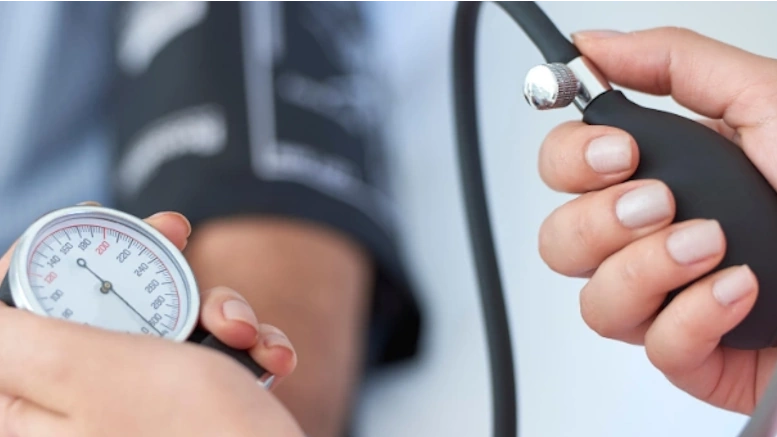
Your blood pressure can climb quietly, then crash your calm later. In the United States, routine checkups may miss the early rise. Salty meals, stress, and missed pills can raise numbers fast. When high blood pressure in seniors lasts, you face a higher stroke risk.
Your heart works harder, and your kidneys filter less each day. Look for new headaches, dizzy spells, or vision that turns blurry. Notice ankle swelling, breath that feels short, or chest tightness.
A sudden nosebleed or confusion can mean you need urgent care now. Check your readings at home, and call your doctor the same day.
Why is High Blood Pressure Risky for Seniors?
High blood pressure can wear your body down, bit by bit. In older age, the damage stacks up faster, also.
Age-related artery stiffness
As you age, your arteries can get stiff and less springy. Blood then pushes harder on those stiff walls, every single day. That extra push raises the top number, called systolic pressure, a lot. It’s common to see it climb even when you feel fine.
Stiff arteries also make your heart pump against more resistance. On the other hand, the heart cannot “take a break” from that load. Over months and years, tiny cracks and rough spots can form inside vessels. Those rough spots can collect fatty buildup, like gunk in a pipe.
In the U.S., many seniors eat more packaged foods for convenience. Canned soups, deli meats, and frozen dinners hide a lot of salt. Salt pulls in water, so your blood volume rises like an overfilled hose. Add low activity or long sitting, and the pressure can stay high all day.
Heart strain and heart failure
Your heart is just a muscle, and when subjected to high pressure, it works harder. Think of carrying heavy grocery bags up the stairs daily and for the rest of your life. The heart then thickens to be able to cope with the load, but being thicker is not always better.
Over time, fluid can back up into the lungs and legs. You may notice socks leaving deep marks or shoes feeling tight. You might wake up at night, breathing fast, for no clear reason. Some people blame “getting older,” but it can be a warning.
In addition, high pressure can harm the heart’s own blood supply. The small vessels feeding the heart can narrow, then chest pain shows up. You may feel tired after simple chores, like folding laundry.
Heart failure can creep in slowly, then hit hard. A small cold, a missed pill, or salty takeout can tip things. Suddenly, you can’t catch your breath while walking to the mailbox. That moment is scary, and it happens more than you’d think.
Debts and Financial Obligations
Some policies are used to wipe out debts so loved ones breathe easier. The benefit can pay for credit cards, a car loan, or a small mortgage balance. It can also protect the family from co-signed debts that might follow them.
Increased risk of stroke
A stroke is one of the biggest fears with high blood pressure. High pressure can damage brain vessels until they burst or clog. When blood can’t reach brain cells, those cells start to die fast. Minutes matter, and time is not friendly.
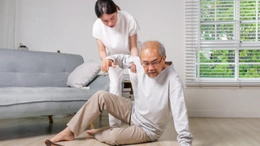
Older adults may not feel a “big” warning before a stroke. You may feel a little off, dizzy, or weak on one side. Your speech can get slurred, like words are stuck. A face can droop, even if you try to smile.
In the U.S., stroke care can be strong in hospitals, however getting there quickly is key. If symptoms start, calling 911 is the safest move. Driving yourself sounds tough and brave, but it wastes time. Emergency teams can start help sooner, right in the ambulance.
High blood pressure also raises the risk of small “silent” strokes. These tiny hits can harm memory and balance over time. You may stumble more or forget names, and blame age. On the other hand, the brain may be showing wear from pressure damage.
Aneurysm
An aneurysm is a weak bulge in a blood vessel wall. High pressure pushes on that weak spot until it grows. It can form in the brain, the belly, or near the heart. Most of the time, you don’t feel it at first.
You can feel normal while a vessel wall stretches like a thin balloon. If it tears or bursts, it can cause sudden bleeding inside the body. This can turn into an emergency in seconds.
A belly aneurysm may cause deep stomach or back pain. It can feel like a strong ache that won’t quit. A brain aneurysm can cause the “worst headache of your life,” out of nowhere. Some people also get nausea, neck pain, or fainting.
In addition, aneurysm risk can rise if you also smoke. Smoking roughs up vessel walls and speeds up damage. Combine that with high pressure, and the vessel gets hit from two sides.
Chronic kidney disease
Your kidneys are filters that clean your blood all day. High pressure can scar the tiny vessels inside those filters. Once scarred, they can’t clean as well, and waste builds up. It’s quite damaging, and it can take years to notice.
Kidney trouble can also raise blood pressure even more. So it becomes a loop that feeds itself, which is rough. Less kidney filtering means more fluid stays in the body. More fluid means more pressure in the vessels. The cycle can be hard to break.
Key Warning Signs You Shouldn't Miss
High blood pressure often stays silent, then shows up through damage. These signs can hint that pressure is hurting key organs.
Severe headaches
A sudden intense headache might be a warning sign, especially in older individuals. It might be a pounding sensation, a sharp pain or just a very weirdly intense one. If it occurs along with confusion, weakness, or fainting, treat it as an emergency.
Vision changes
Blurry vision, double vision, or dark spots can signal vessel strain in the eyes. You might notice trouble reading labels or seeing street signs clearly. Sudden vision loss needs emergency care, even if it fades.
Shortness of breath
Breathing trouble can happen when the heart is under heavy pressure strain. You may feel winded after light walking or lying flat in bed. Wheezing or waking up gasping is not something to brush off.
Chest pain
Chest pressure, tightness, or burning can mean the heart is struggling. Pain may spread to the arm, jaw, or back, also. If chest pain is new, severe, or paired with sweating, call 911.
Conclusion
High blood pressure can harm your body even when you feel okay. In the United States, simple habits and missed meds can raise it. You protect your heart when you check numbers and take action. Watch for headaches, blurry sight, breath trouble, or chest pain.